April 30, 2026
By Jacoby Soter
Vermont’s school redistricting represents a critical civic issue because it highlights what is wrong with our government; we address symptoms rather than causes.
Vermont’s education funding crisis stems not from inefficient school structures but from Vermont’s healthcare costs, which are the highest in the nation.
As a result of addressing symptoms, Bill H.955 lays the groundwork for school consolidation, identifying it as the solution to Vermont’s education costs while sidestepping the actual root cause of healthcare.
The disconnect between problem and solution is proof of the pressure that the Governor is putting on the legislature when it comes to consolidation. As Democratic Gubernatorial candidate Amanda Janoo notes, consolidating schools will not reduce costs; it will create larger institutions with equally high, if not higher, expenses.
Maple Run Unified School District demonstrates this reality: merging with neighboring communities would impose a budget cap of $9 million below the current combined budgets. Rather than solving the financial crisis, H.955 merely rearranges it. Governor Scott’s pressure on the legislature has prioritized speedy reform ahead of community-centered decisions.
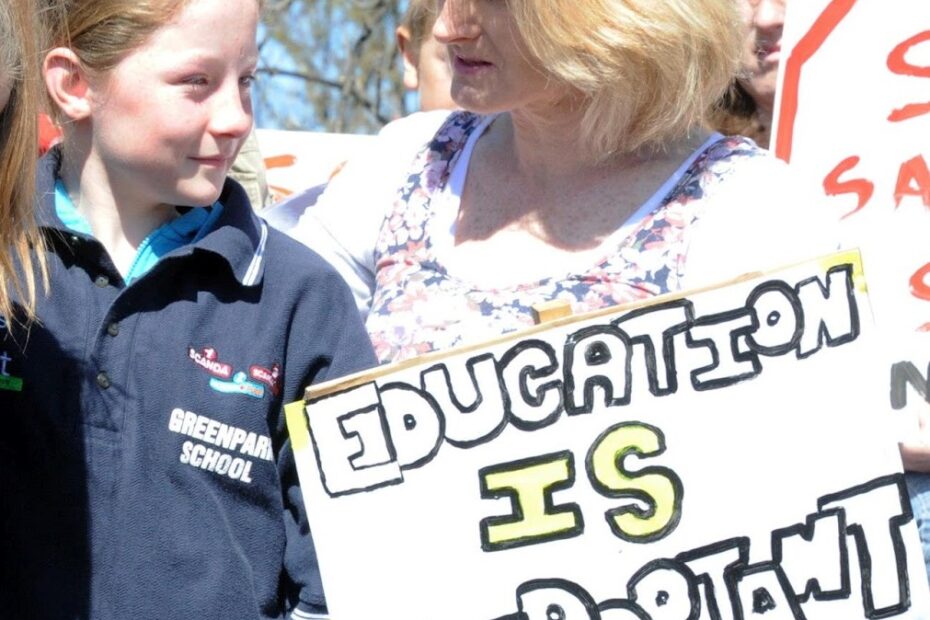
What troubles me is that students and communities, the voices most affected by these changes, are largely left out of reforming Vermont’s education. I am thankful that through my work with Unleashing the Power of Partnership for Learning, I helped facilitate student dialogue sessions during the Vermont Agency of Education’s Listen and Learn tour.These sessions demonstrated students’ capacity to engage meaningfully with education policy.
Unfortunately, the rapid pace of legislative reform disregards this input, treating community participation as secondary to political goals. Rushing solutions without addressing root causes or incorporating affected voices undermines the democratic process. Vermont’s redistricting process shows what happens when legislatures fall victim to political pressure rather than community needs.
This is why I am deeply committed to civic engagement and voting. Democracy thrives when communities have genuine input into decisions affecting their lives. Through my work with voter registration drives and advocacy for student voting rights on school boards, I work to amplify the voices that our current process struggles to hear. The conversations around school redistricting have reinforced my belief that participation and voting are democracy’s ways to ensure that government reflects community values over politics.
I am honored to be considered for the Winona Smith Scholarship, which embodies the commitment to voting rights and democratic participation that guides me.
Return to the Winona Smith Scholarship Recipients Page | Return to the Winona Smith Scholarship Information Page